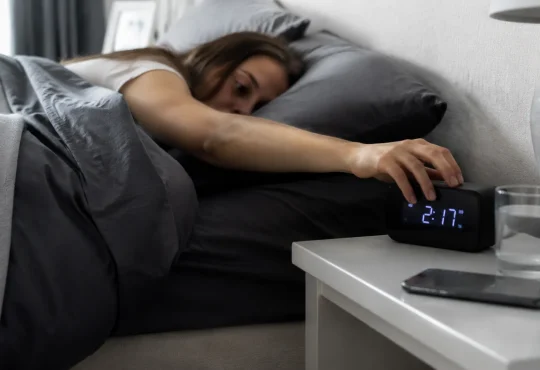


It starts innocently enough. One bad night maybe a big presentation at work, a breakup, or just one of those inexplicable stretches where your brain refuses to quiet down and someone hands you a solution. A doctor writes a short prescription. A pharmacist slides a small orange bottle across the counter. You take one pill, and for the first time in days, you sleep.
That relief is real. Nobody should dismiss it. But what happens next is where the story gets complicated.
The Short-Term Fix That Rewires Long-Term Sleep
Most sleeping pills whether they’re benzodiazepines like Valium and Ativan, Z-drugs like Ambien and Lunesta, or even over-the-counter antihistamines like diphenhydramine work by sedating the nervous system. They don’t produce natural sleep so much as they manufacture unconsciousness. The brain is quieted through chemical suppression, not biological readiness.
That distinction matters enormously.
Natural sleep follows a rhythmic architecture cycling through light sleep, deep slow-wave sleep, and REM stages throughout the night. Sedative medications disrupt this architecture in ways that often go unnoticed. Slow-wave sleep gets shortened. REM gets suppressed. You wake feeling like you slept, but the restorative depth that your body actually needed may not have been there.
Worse, the brain adapts. It begins to anticipate the chemical sedation. The systems that would normally produce sleep-promoting molecules adenosine accumulating through the day, melatonin rising at dusk start operating at reduced intensity. Why build the fire when the gas burner is coming?
This is the beginning of the trap.
Tolerance: When the Pill Stops Carrying Its Weight
Tolerance isn’t a character flaw. It’s biology. The brain is extraordinarily good at restoring balance, and when it detects a recurring sedative signal, it compensates upregulating stimulatory pathways, desensitizing receptors, and generally engineering a resistance to the compound’s effect.
For benzodiazepines, this process can begin in as little as two to four weeks of regular use. For Z-drugs, the timeline varies but follows a similar pattern. What once knocked you out within thirty minutes now barely takes the edge off. The sleep is lighter, shorter, broken.
The logical response upping the dose only accelerates the problem. Higher doses produce deeper tolerance at a faster rate. And somewhere along this escalating curve, the person finds themselves in a position they never expected: taking more medication to get less sleep than they had before they started.
This is the clinical definition of a rescue remedy that is actively making the condition worse.
Rebound Insomnia: The Cruel Irony
Perhaps the most disorienting part of sleeping pill dependence isn’t the tolerance it’s what happens when you try to stop. Rebound insomnia is the sharp, often brutal return of sleep problems when sedative medications are reduced or discontinued. And in most cases, the rebound insomnia is significantly worse than the original sleep difficulty that prompted treatment.
The brain, having downregulated its own sleep machinery in response to chronic sedation, suddenly finds itself without the chemicalcrutch it had come to rely on. The result is hyperarousal a nervous system in overdrive. Heart rate climbs. Anxiety spikes. The very act of lying in bed becomes associated with alertness and dread rather than rest.
For many people, this is the moment they become convinced they have a serious, permanent sleep disorder. They don’t understand that what they’re experiencing is largely a withdrawal syndrome. They go back to the medication, the medication works again for a brief window, and the cycle deepens.
The trap closes.
Who Is Most Vulnerable
There’s a particular profile of person for whom this trajectory accelerates. People under sustained stress caregivers, people processing grief, professionals in high-pressure environments are more likely to turn to sleep medication during periods of need, and more likely to continue using it as long as the stressor persists.
Older adults face compounding risks. Sleep architecture naturally becomes lighter with age, making sleep medication seem more appealing; but the same aging processes that disrupt sleep also slow the metabolism of sedative compounds, raising the risk of falls, cognitive fog, and prolonged sedation.
People with anxiety disorders occupy a particularly difficult position. Anxiety is one of the most common drivers of insomnia, and the same medications used for sleep especially benzodiazepines also suppress anxiety symptoms. This dual relief makes the medications feel essential in ways that go beyond sleep alone, which is why discontinuation feels psychologically as much as physically threatening.
The CBT-I Alternative That Most Doctors Don’t Mention
Here’s a fact that should be more widely known: Cognitive Behavioral Therapy for Insomnia, universally abbreviated as CBT-I, consistently outperforms sleeping pills in long-term outcomes. Not marginally substantially. Studies show remission rates above 70to 80 percent, and unlike medications, the improvements persist and often continue strengthening after treatment ends.
CBT-I works by addressing the behavioral and cognitive patterns that perpetuate insomnia rather than simply suppressing the symptom. Sleep restriction therapy, stimulus control, and cognitive restructuring of catastrophic sleep-related thoughts are its main tools. None of this is pleasant in the short term sleep restriction especially involves some genuinely brutal initial weeks but the framework it builds is durable.
The reason CBT-I doesn’t get mentioned as frequently as it should comes down to a combination of factors: it requires more time than writing a prescription, trained practitioners are not evenly distributed, and many patients in crisis want immediate relief rather than a behavioral protocol that takes four to eight weeks to fully deliver.
That preference for immediacy is completely understandable. It’s also how most sleeping pill dependencies begin.
Getting Out: Why Tapering Is an Art, Not a Schedule
For people who are already dependent, discontinuation requires a thoughtful, gradual approach. Stopping abruptly particularly with benzodiazepines can trigger severe withdrawal symptoms including seizures in some cases, and is genuinely dangerous. Even with safer medications, the psychological rebound can be severe enough to undo weeks of progress if the taper moves too quickly.
The standard clinical recommendation is a slow dose reduction often spanning weeks to months allowing the brain time to rebuild its own regulatory capacity. Simultaneously introducing CBT-I during the tapering process has shown strong evidence of improving outcomes, partly because it gives the person practical tools to manage the predictable rough nights without retreating to the full dose.
Sleep itself often gets worse before it gets better during this phase. That is not a sign of failure. It is, frustratingly, a sign the process is working the nervous system is relearning how to do something it had outsourced.
Rethinking What a Rescue Actually Looks Like
There’s nothing wrong with using a sleep aid occasionally, the way you might use ibuprofen for a headache. The problem arises when the tool gets reframed as a foundation when the rescue becomes the routine.
What nobody tells you when that first prescription is written is that the most powerful thing the pill does may not be putting you to sleep. It may be teaching your anxious mind that sleep is something that requires external intervention. That belief, once installed, is harder to unlearn than the chemical dependency itself.
Genuine, lasting sleep doesn’t come from a bottle. It comes from a body that trusts its own rhythms rhythms that, with patience and the right approach, can almost always be rebuilt. The trap is real. But it’s not permanent.