
The Lie We Were Sold Along With the Price Tag
There’s a version of luxury that gets marketed to us constantly the crisp unboxing, the tissue paper, the receipt that makes your stomach drop in the best possible way. We’ve been trained to associate newness with value, and that training runs deep. A brand-new car rolling off the lot feels like an achievement. A sealed box feels like a gift. The smell of new leather, new carpet, new anything, has been coded into our brains as the scent of success.
But here’s the thing nobody in retail wants you to think about: new is not the same as good. It’s not even close to the same as rare, or considered, or crafted with intention. New just means no one has touched it yet. And somehow, that got elevated into a virtue.
The secondhand market used to carry a stigma. Thrift stores were where you went when you couldn’t afford anything else. Estate sales were for bargain hunters in sensible shoes. Vintage was a polite word for old. But something has shifted not just culturally, not just because of sustainability trends or economic pressure, but in our actual understanding of what quality means and where it lives.
When Age Becomes a Filter, Not a Flaw
Think about what it takes for an object to still be around twenty years after it was made. It had to be built well enough to survive. It had to be loved, or at least respected, by whoever owned it. It had to matter to someone enough to keep, to store, to eventually let go of with some deliberateness rather than tossing in a bin.
The fast-fashion blouse from two seasons ago didn’t make it. The injection-molded bookshelf from the big-box store won’t either. But the wool overcoat from a1960s American department store that’s still hanging somewhere, and whoever finds it is getting something that no amount of new-purchase money can manufacture: actual durability, proven over decades.
This is what makes vintage clothing or well-maintained used furniture functionally superior to most new alternatives in the same price range. The market has already done the quality filtering for you. Time is an unforgiving critic. It has no incentive to be kind to cheap materials or lazy construction. What survives is, almost by definition, worth having.
The Economics of Buying Used Are Quietly Radical
There’s a concept in finance called depreciation, and it hits hardest in the first moments of ownership. A new car loses somewhere between 15 and 20 percent of its value the second you drive it off the lot. Not after a year. Not after ten thousand miles. Immediately. The packaging, in a sense, is worth a significant fraction of what you paid and you’re throwing it away the moment you open it.
Buying used means someone else absorbed that hit. You’re stepping into the value curve after it has already done its steepest drop, which means your dollar stretches further in real, material terms. A three-year-old luxury sedan from a German manufacturer, properly maintained, can often be had for half the original sticker price. The engineering that goes into that car didn’t depreciate. The leather didn’t get worse. The driving experience didn’t hollow out. The price tag did.
Apply that same logic to furniture, to watches, to kitchen equipment, to musical instruments. The pattern holds. What you’re really paying for when you buy new is novelty and novelty is possibly the least durable thing on earth.
Ownership With a History Is Richer Than Ownership From a Shelf
There is a Japanese aesthetic concept called wabi-sabi, which finds beauty in imperfection and impermanence in the crack that reveals the age of pottery, in the patina that settles on old brass. It’s a philosophy entirely incompatible with shrink wrap.
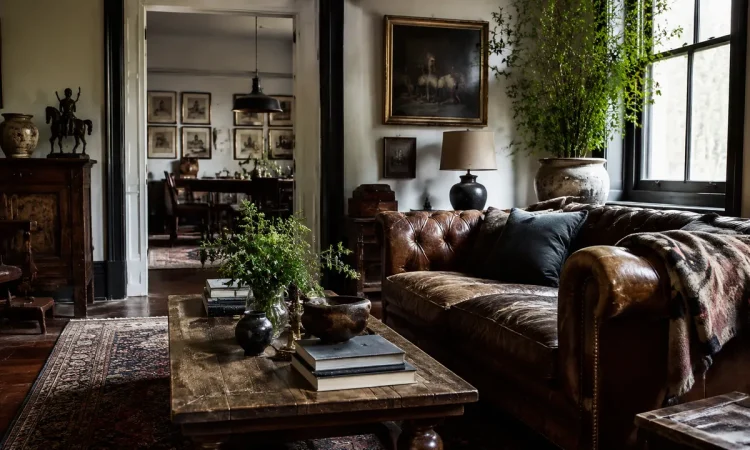
A used object carries stories in its wear patterns. The leather wallet with the crease in exactly the right place. The cast iron skillet that’s been seasoned over forty years of Sunday mornings. The desk that someone built their career at, its surface softened by decades of paperwork and coffee cups. These aren’t flaws. They’re evidence of a life well-used.
When you bring something like that into your home, you’re not just acquiring a functional object. You’re participating in a longer narrative. The thing existed before you, and in some small way that matters it connects you to a chain of choices and values and human hands that is genuinely absent from anything unboxed for the first time.
There’s a word for objects that carry this kind of weight. It’s not “used.” It’s not even “vintage.” The word is heirloom, and you can create one from scratch by choosing to begin the cycle yourself.
The Attention Required to Buy Used Is Itself a Form of Luxury
Here’s what the secondhand market demands of you that Amazon never will: it asks you to know what you want.
You can’t just one-click your way to a well-curated wardrobe or a thoughtfully furnished apartment through thrift stores and estate sales. You have to develop taste. You have to learn what good construction looks like, what quality fabric feels like, how to distinguish a well-made piece from one that just looks nice in bad lighting. You have to show up, look carefully, and pass on things that aren’t right.
That process is slow. It’s also the exact opposite of the frictionless consumption experience that modern retail has engineered specifically to make you buy things you don’t actually want that badly. When you work for something when you search for it, recognize it, and decide it’s worth bringing home you value it differently. You notice it. You take care of it.
This is, in the truest sense of the word, connoisseurship. And connoisseurship has always been a mark of genuine sophistication, far more than the ability to pay full retail price for whatever arrived this season.
Sustainability as a Byproduct, Not a Burden
The environmental argument for buying used is real and worth saying out loud: every secondhand purchase is one fewer new item manufactured, shipped, and eventually landfilled. The clothing industry alone is responsible for an estimated 10 percent of global carbon emissions. Electronics waste is one of the fastest-growing environmental crises on the planet. Buying new, without thinking, is a vote cast in the direction of all of that.
But framing secondhand shopping as sacrifice as the responsible but less enjoyable choice actually undersells it. The environmental benefit isn’t a trade-off. It’s a bonus that comes attached to an already superior purchasing experience. You’re getting better stuff, for less money, with more character, and it happens to also be the right call for the world you live in.
That’s not settling. That’s winning on every axis simultaneously, which is closer to the actual definition of luxury than anything that arrives in a branded shopping bag.
What We’re Really Talking About When We Talk About Luxury
Real luxury was never about newness. It was always about quality about things that last, that reward attention, that carry meaning beyond their function. The Hermès bag that gets softer and more beautiful with every passing year. The house that gets more valuable as the neighborhood matures. The book that someone has annotated with such care that reading their penciled marginalia is like having a conversation across time.
The mass market convinced us that luxury was about exclusivity tied to price, about being the first one to have something. But the people who have always understood luxury the ones who buy it for keeps, not for showing know that the first owner is rarely the one who gets the most out of anything.
The most luxurious thing you can do is choose deliberately. To resist the engineered urgency of new-release cycles and seasonal collections. To slow down long enough to find something made with care, preserved with respect, and passed along because it still has decades of life left in it.
That’s not settling for less. It’s opting into something more.