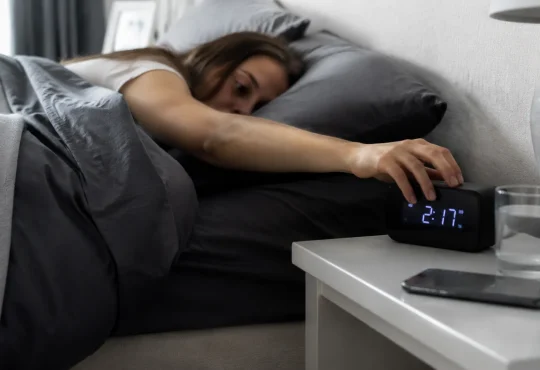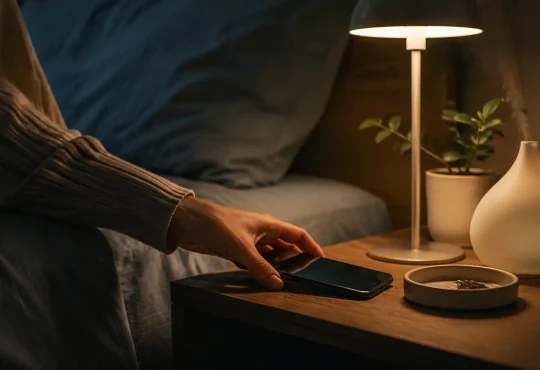

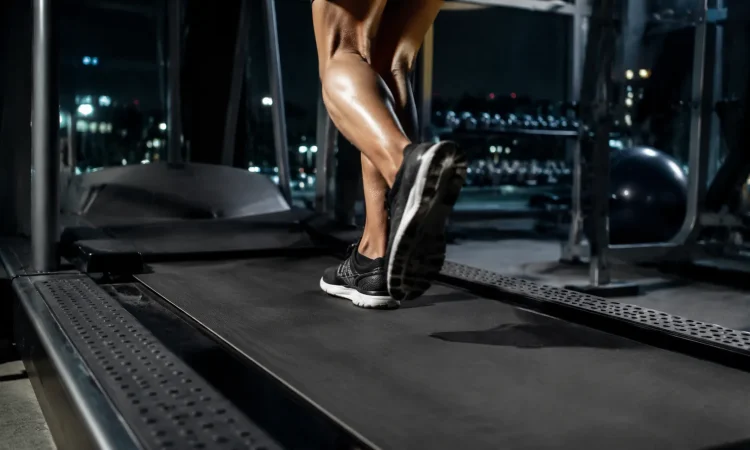
There’s a moment many night owls know well. It’s 10 p.m., the gym is finally quiet, the weights aren’t being hogged, and the treadmill belt hums like it’s been waiting for you all day. You finish your session feeling electric heart still racing, sweat cooling on your skin, mind sharper than it’s been in hours. Then you lie down in bed and stare at the ceiling for the next ninety minutes wondering why sleep won’t come.
The conventional wisdom has long been: don’t work out too close to bedtime. Doctors repeat it, fitness apps warn you about it, your well-meaning aunt probably said it once. But is there actual science behind this advice, or has it become one of those cultural health axioms that gets passed around without anyone questioning the receipts?
The answer turns out to be more nuanced and more personal than a blanket rule could ever capture.
What Your Body Is Actually Doing After a Hard Workout
To understand why late exercise might disrupt sleep, you have to look at what exercise does to your physiology in the hours that follow.
Intense physical activity triggers a spike in core body temperature. Your muscles generate heat, your blood vessels dilate to radiate that heat away, and your whole thermal regulation system kicks into a higher gear. The problem is that falling asleep requires the opposite process your core temperature needs to drop by roughly one to one-and-a-half degrees Fahrenheit to signal to your brain that it’s time to shut down for the night. If you’re still radiating heat from a brutal leg day at midnight, that signal gets scrambled.
Then there’s cortisol and adrenaline. Vigorous exercise is a controlled stress on the body, and the body responds accordingly by releasing these alertness hormones. Under normal circumstances, your cortisol levels follow a daily rhythm high in the morning to get you moving, low at night to let you rest. A demanding workout late in the evening can artificially re-elevate cortisol at exactly the wrong time, keeping your nervous system in a state of low-grade arousal when it should be winding down.
Heart rate is another piece of the puzzle. After strenuous exercise, your resting heart rate remains elevated for anywhere from thirty minutes to two hours depending on the intensity and your fitness level. Trying to fall asleep with a heart rate of 90 beats per minute is a bit like trying to nap while mildly anxious technically possible, but not exactly restful.
The Research Is More Complicated Than the Headlines Suggest
Here’s where things get interesting. A 2019 meta-analysis published in Sports Medicine reviewed 23 studies on the effects of evening exercise on sleep and found something that surprised a lot of people: moderate-intensity exercise performed up to an hour before bed actually improved overall sleep quality in most participants. Deeper slow-wave sleep. Shorter time to fall asleep. Longer total sleep duration.
The catch? High-intensity exercise think interval training, heavy lifting, sprint work within an hour of bed did show measurable disruptions in sleep onset and REM sleep architecture.
So the old rule wasn’t entirely wrong. It was just too blunt. The real distinction isn’t simply when you exercise but how hard you push yourself and how much time you give your body to metabolize that effort before you expect it to sleep.
A gentle evening jog at conversational pace is biologically quite different from a max-effort CrossFit session. Your body handles them differently, and your sleep reflects that.
Why Some People Actually Sleep Better After Late Workouts
It’s worth paying attention to the people who swear their best sleep comes after a late-night gym session, because they’re not imagining it.
Exercise increases adenosine, a chemical byproduct of cellular activity that accumulates in the brain throughout the day and builds what sleep scientists call “sleep pressure.” The longer you’re awake and active, the more adenosine builds up, and the stronger the drive to sleep becomes. A workout essentially accelerates that process you arrive at your pillow with an even heavier biochemical debt demanding to be repaid.
For people who tend toward anxiety or a restless mind, the physical exhaustion from exercise can serve as a kind of neurological off-switch that mental effort alone never provides. The body is so spent that the brain, for once, doesn’t get to run its usual highlight reel of worries.
There’s also a psychological element that rarely gets discussed. Many people who exercise late do so because it genuinely fits their life. They’re not fighting against their schedule they’re working with it. And the stress of trying to shoehorn a morning workout into a life that doesn’t accommodate mornings is itself a cortisol trigger. Chronobiology research suggests that night owls people with a genetically later circadian phase may experience far less physiological disruption from late workouts than their early-bird counterparts. The 10 p.m. gym session that destroys a morning person’s sleep might be perfectly calibrated for someone whose natural alertness peak doesn’t arrive until evening.
The Temperature Trick and Other Practical Mechanics
If you’ve landed on late-night exercise as your reality, there are physiological hacks worth knowing.
The body temperature problem is the most consistently documented obstacle. One of the most effective workarounds is a warm or hot shower after your workout counterintuitive as it sounds. When you step out of a hot shower, the rapid heat dissipation from your skin actually accelerates the drop in core temperature, mimicking the thermal shift your body needs to initiate sleep. Cold showers, while invigorating, don’t produce the same sustained cool-down effect.
Meal timing matters here too. Eating a large meal close to a late workout or immediately after keeps your digestive system active and metabolically engaged at a time when you’re trying to slow everything down. A light protein source that supports muscle recovery without triggering a full digestive response tends to work better if sleep is the goal within the next few hours.
The wind-down period is the variable most people underestimate. Giving yourself forty-five minutes to an hour between the end of your workout and the moment you get into bed isn’t just psychological courtesy it’s the minimum your autonomic nervous system needs to shift from sympathetic (fight-or-flight) dominance toward parasympathetic (rest-and-digest) activity. That transition doesn’t happen on demand.
When the Ceiling-Staring Becomes a Pattern
Occasional disrupted sleep after a late workout is one thing. A recurring pattern is another, and it deserves honest scrutiny rather than willpower.
If you consistently notice that your late workouts leave you unable to fall asleep before1 or 2 a.m., and if that sleep deprivation is bleeding into your energy, mood, and performance the next day, the math stops making sense regardless of how convenient that workout slot is. Sleep is not a passive backdrop to fitness it’s when muscle protein synthesis peaks, when growth hormone floods the bloodstream, when neural patterns from skill-based training consolidate. Undermining your sleep to protect your workout schedule is, in a very literal sense, undermining the workout itself.
The more productive frame is to treat sleep quality as a performance metric rather than a lifestyle comfort. Elite athletes and their sports science teams have understood this for years. Recovery is training. Sleep is infrastructure. The workout is only as valuable as what the body does with it afterward.
That late-night gym habit might be perfectly compatible with great sleep or it might be quietly eroding both your rest and your results. The difference often comes down to intensity, timing, individual chronotype, and how honest you’re willing to be about what the evidence in your own life is telling you.